
Why Are Entry-Level Jobs Disappearing? Understanding a Growing Trend in Today’s Job Market
Over the past few years, headlines about the decline of entry-level jobs have become increasingly common. Many recent graduates and early-career professionals are finding it more difficult than ever to land their first full-time role. At the same time, employers are shifting their hiring strategies, often prioritizing experienced candidates over those just entering the workforce.
So what is driving this trend, and what does it mean for both employers and job seekers?
The Shift Toward Experience
In an uncertain economic environment, companies are under pressure to maximize productivity while controlling costs. As a result, many organizations are focusing on candidates who can contribute immediately with minimal training.
Hiring an experienced professional is often seen as less risky than investing in someone who requires months of onboarding, mentoring, and development. For startups and lean organizations in particular, every hire is expected to make an impact quickly, making experienced talent increasingly attractive.
The Impact of AI and Automation
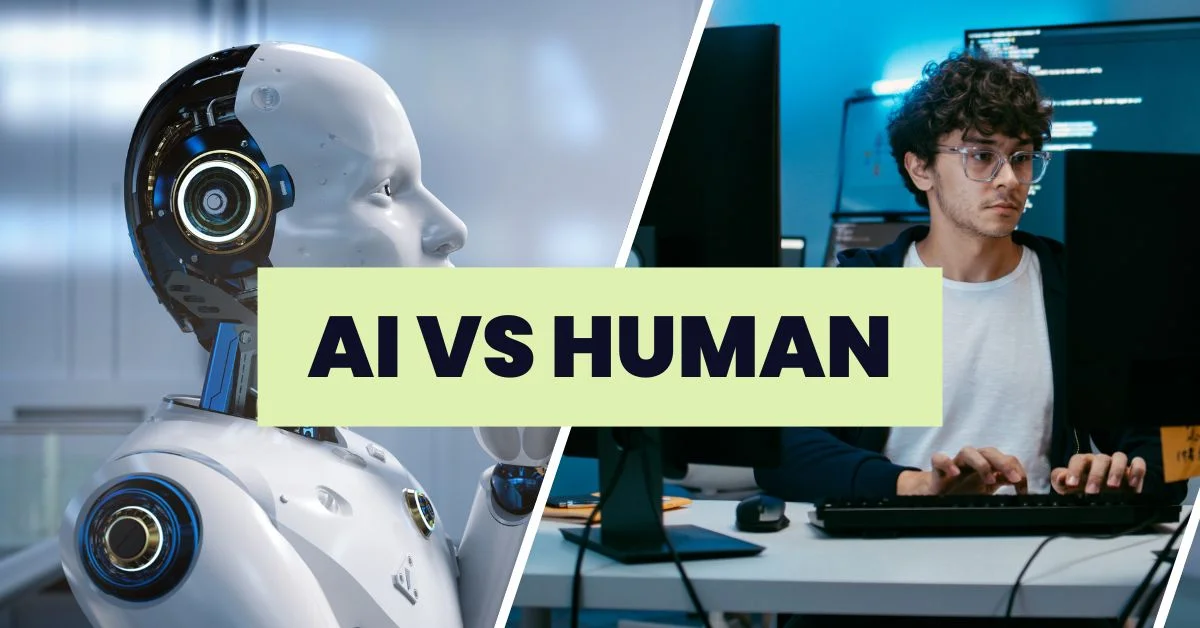
The rapid adoption of artificial intelligence is also reshaping the entry-level job landscape.
Many tasks traditionally assigned to junior employees—such as data collection, research, documentation, customer support, and administrative work—can now be completed more efficiently using AI-powered tools.
While automation creates new opportunities and improves productivity, it also reduces the number of roles that historically served as stepping stones for early-career workers. As a result, some companies are hiring fewer entry-level employees than they did just a few years ago.
Rising Costs of Hiring and Training
Hiring a new graduate involves much more than paying a salary.
Companies must invest in onboarding programs, training resources, supervision, and mentorship. During periods of economic uncertainty, these investments are often scrutinized more closely.
Rather than committing significant resources to developing talent internally, many organizations choose to hire individuals who already possess the skills and experience required for the role.
The Changing Definition of “Entry-Level”
One of the biggest frustrations among job seekers today is that many so-called entry-level positions still require prior experience.
Employers increasingly expect candidates to demonstrate practical skills through internships, academic projects, freelance work, certifications, or personal portfolios.
In many industries, a college degree alone is no longer enough. Companies want proof that applicants can apply their knowledge in real-world situations and contribute from day one.
The Long-Term Risk for Employers
While reducing entry-level hiring may improve short-term efficiency, it can create long-term challenges.
Organizations that stop investing in early-career talent risk weakening their future leadership pipeline. Today’s entry-level employees are tomorrow’s managers, team leaders, and subject matter experts.
Companies that focus exclusively on experienced hires may eventually face talent shortages as they struggle to develop the next generation of skilled professionals.
In addition, early-career employees often bring fresh perspectives, adaptability, and familiarity with emerging technologies that can drive innovation within an organization.
What Job Seekers Can Do
The current job market requires a different approach than in previous generations.
Today’s successful candidates often build experience before securing their first full-time position. This can include:
Internships
Personal or academic projects
Freelance work
Open-source contributions
Industry certifications
AI and digital skills
Volunteer and leadership experience
The goal is no longer just earning a degree—it is demonstrating the ability to solve problems, collaborate effectively, and create value.
Looking Ahead
The decline in entry-level hiring reflects broader changes in the economy, technology, and workforce expectations. While AI and automation are transforming how businesses operate, companies still need talented individuals who can learn, adapt, and grow.
For employers, the challenge is finding the right balance between immediate productivity and long-term talent development. For job seekers, the key is gaining practical experience and continuously building relevant skills.
Although entering the workforce may be becoming more competitive, those who actively invest in learning, adaptability, and real-world experience will be best positioned to succeed in the evolving job market.