Many candidates have strong skills and experiences, yet fail at the very first hurdle: the resume. Surprisingly, the reason often comes down to small details and how you present them. HR professionals skim through hundreds of resumes quickly, so even minor mistakes or disorganized formatting can overshadow your actual abilities.
✨Common Mistakes and How Small Differences Make a Big Impact
1. Confusing format and structure
Resumes that are too long, experiences listed out of order, or paragraphs that are difficult to read make it easy for HR to lose interest.
Tip: Highlight key information, organize experiences in reverse chronological order, and keep it concise.
2. Vague descriptions of achievements
Phrases like “participated in team projects” or “assisted with tasks” sound generic and fail to show your unique contribution.
Tip: Use numbers, outcomes, and impact to quantify achievements. Example: “Increased monthly sales by $2,000” or “Led onboarding of 50 new clients.”
3. Irrelevant content for the role
While having a variety of experiences is good, content not related to the role can distract from your strengths.
Tip: Emphasize experiences and skills that directly match the job, and summarize other activities briefly.
4. Typos and grammatical errors
Even small mistakes can make you appear careless.
Tip: Proofread multiple times and ask someone else to review it if possible.
✨What Makes a Resume Catch HR’s Eye
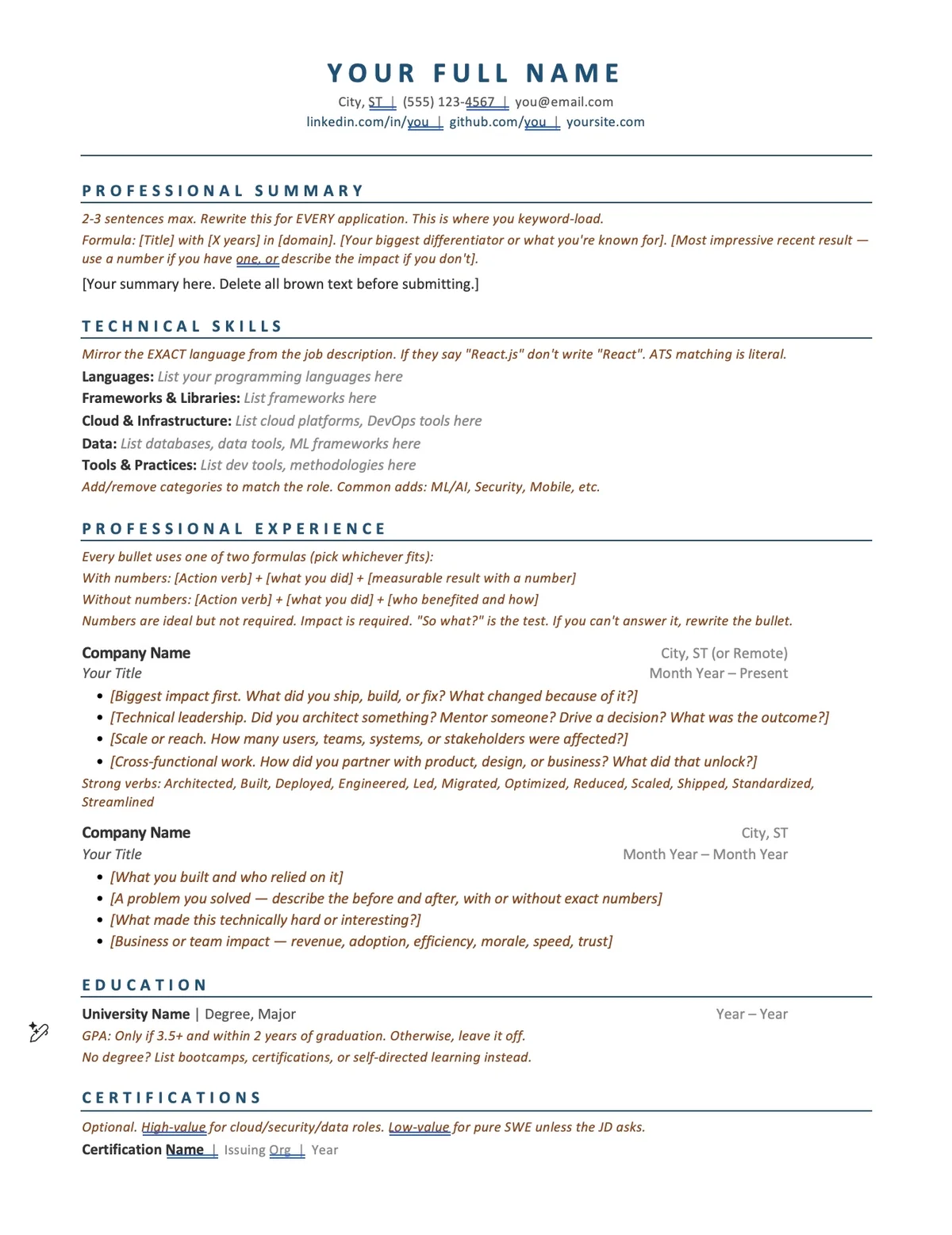
- Clear, scannable structure: Headings, work experience, and achievements are easy to identify at a glance.
- Quantified achievements: Show results with numbers, not just statements like “did well.”
- Tailored to the role: Customize your resume for the company and position by highlighting relevant skills and experiences.
- Attention to detail: Error-free sentences, consistent formatting, and polished layout convey professionalism.
Small details can make a big difference. Even top talent may struggle to pass the initial screening if the resume is weak. Conversely, a well-organized resume can catch HR’s attention even with similar experience.
In short, a resume isn’t just a list of past jobs—it’s your first story about your skills and growth. Every small detail can tip the balance between rejection and an interview invitation.
✨ 10 Ways to Make Your Resume Stand Out
1.Tailor Your Resume
Use keywords from the job description.
Highlight relevant skills and achievements.
Avoid generic resumes; show why you fit this role.
2.Clean, Professional Format
Fonts: Arial, Calibri, Helvetica, 10–12 pt.
Sections: Contact → Summary → Skills → Experience → Education → Certifications.
Most important info at the top.
1–2 pages if <10 years experience.
3.Compelling Summary
2–4 sentences summarizing experience, skills, achievements.
Focus on what you bring, not just job titles.
Example: “Marketing specialist with 5+ years of experience increasing online engagement by 40% through data-driven campaigns.”
4.Highlight Achievements
Use action verbs: led, implemented, optimized.
Quantify results: “Increased sales by 25% in 6 months.”
Show impact on team or company.
5.Relevant Skills & Keyworkds
Hard skills: software, tools, programming.
Soft skills: communication, leadership.
Include keywords for ATS.
6.Readable & Skimmable
Use bullet points, not long paragraphs.
Bold headers, consistent formatting.
Subtle design accents okay for creative roles.
7.Demonstrate Growth
Include certifications, courses, workshops.
Shows initiative and adaptability.
8.Personal Touch (Optional)
Links to portfolio, website, projects.
Only if it enhances credibility.
9.Proofread
Fix grammar, spelling, formatting errors.
Ask someone else to review.
10.Use Metrics & Projects
Include measurable results: “Reduced process time from 5 days to 2 days.”
Highlight projects, volunteer work, freelance experience.
Portfolios provide evidence for creative or technical roles.
Tip: A resume isn’t just a job list—it’s your first story about your skills, growth, and impact. Small, clear, tailored details make a huge difference..